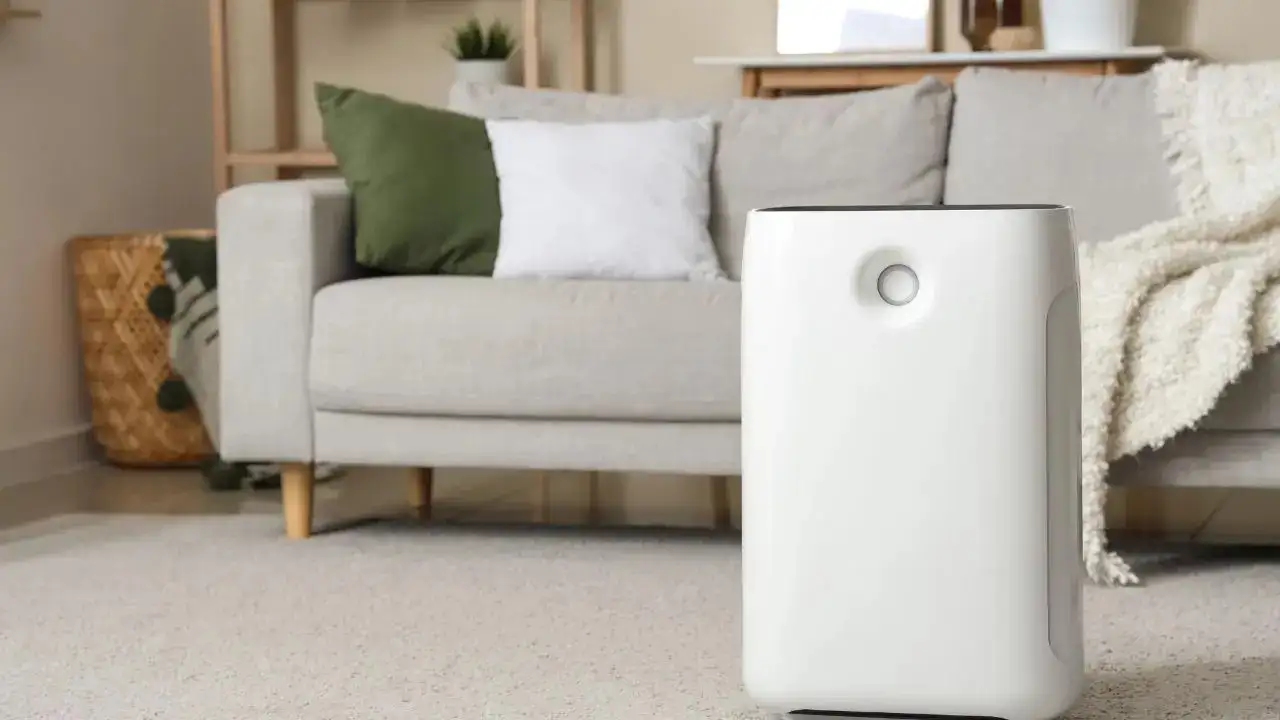
Most people focus on visible aspects of a clean home—tidy rooms, polished surfaces, and fresh scents. Yet, what you cannot see often has a far greater impact on your health and comfort. The air inside your home can contain pollutants, allergens, and microscopic particles that quietly affect everyday wellbeing.
Understanding indoor air quality is not just about comfort; it is about protecting your health, improving sleep, and creating a safer living environment. Below are key reasons why it deserves far more attention than it typically gets.
1. It Directly Impacts Your Health
Poor indoor air can carry dust, pet dander, mould spores, and airborne chemicals. Over time, exposure to these can trigger allergies, asthma, or respiratory irritation. Even people without pre-existing conditions may experience headaches, fatigue, or sinus discomfort.
For example, homes with inadequate ventilation often trap pollutants indoors, allowing them to accumulate. This can lead to long-term health concerns, particularly for children and older adults who are more sensitive to air quality changes.
2. It Affects Sleep Quality More Than You Realize
Air quality plays a subtle yet powerful role in how well you sleep. Polluted indoor air can irritate your airways, causing congestion or disrupted breathing during the night.
Clean air, on the other hand, supports deeper, uninterrupted sleep. If you often wake up feeling tired despite a full night’s rest, your indoor environment could be part of the problem.
3. It Influences Energy Levels and Productivity
Breathing in stale or polluted air can make you feel sluggish and unfocused. This is especially noticeable if you spend long hours indoors, whether working from home or managing daily tasks.
Research shows that improved air circulation and cleaner air can enhance concentration and mental clarity. In practical terms, better air can help you stay alert and productive throughout the day.
4. It Can Worsen Allergies and Asthma
Indoor environments often harbor allergens that build up over time. Carpets, upholstery, and bedding can trap particles that continuously circulate in the air.
Common triggers include:
- Dust mites
- Pet hair and dander
- Mould spores
- Pollen entering through windows
Maintaining good indoor air quality helps reduce these triggers, offering noticeable relief for those prone to allergic reactions.
5. It Impacts Long-Term Respiratory Health
Prolonged exposure to poor air quality does not just cause temporary discomfort—it can contribute to chronic respiratory conditions. Fine particles and pollutants can enter deep into the lungs, potentially leading to inflammation over time.
Homes with gas appliances, smoking, or poor ventilation are particularly at risk. Addressing air quality early helps prevent these long-term effects.
6. It Reflects the Effectiveness of Your HVAC System
Your heating and cooling system does more than regulate temperature—it plays a central role in filtering and circulating air. If filters are clogged or systems are poorly maintained, contaminants remain in circulation.
A well-maintained HVAC system, paired with regular filter changes, can significantly improve air quality. It also ensures that your home remains both comfortable and healthy year-round.
7. It Affects Children and Vulnerable Individuals More
Children breathe faster than adults and are more sensitive to pollutants. Poor air quality can affect their developing lungs and immune systems.
Similarly, elderly individuals or those with pre-existing health conditions are more vulnerable to airborne irritants. Ensuring clean indoor air becomes even more critical in such households.
8. It Can Contain Invisible Pollutants
Many harmful particles are completely invisible and odourless. These include volatile organic compounds (VOCs) released from paints, cleaning products, and furniture.
Even if your home smells fresh, these pollutants may still be present. Proper ventilation and air purification are key to reducing their impact.
9. It Influences Overall Comfort at Home
Good air quality is not just about health—it also enhances comfort. Fresh, well-circulated air creates a more pleasant living environment, free from stuffiness or lingering odours.
You may not always notice good air, but you will certainly feel the difference when it is lacking.
10. It Is Easier to Improve Than You Think
Improving indoor air does not always require major changes. Small, consistent actions can make a significant difference.
Simple ways to improve air quality:
- Open windows regularly for ventilation
- Replace HVAC filters on schedule
- Use air purifiers where needed
- Keep humidity levels balanced
- Clean surfaces and fabrics frequently
These steps help maintain healthier air without complicated interventions.
Conclusion
Indoor air quality often goes unnoticed, yet it quietly shapes your health, comfort, and daily performance. From improving sleep to protecting long-term respiratory health, its impact is far-reaching.
By taking simple, proactive steps, you can create a healthier home environment that supports both physical wellbeing and overall quality of life. Paying attention to the air you breathe indoors is not just beneficial—it is essential.
