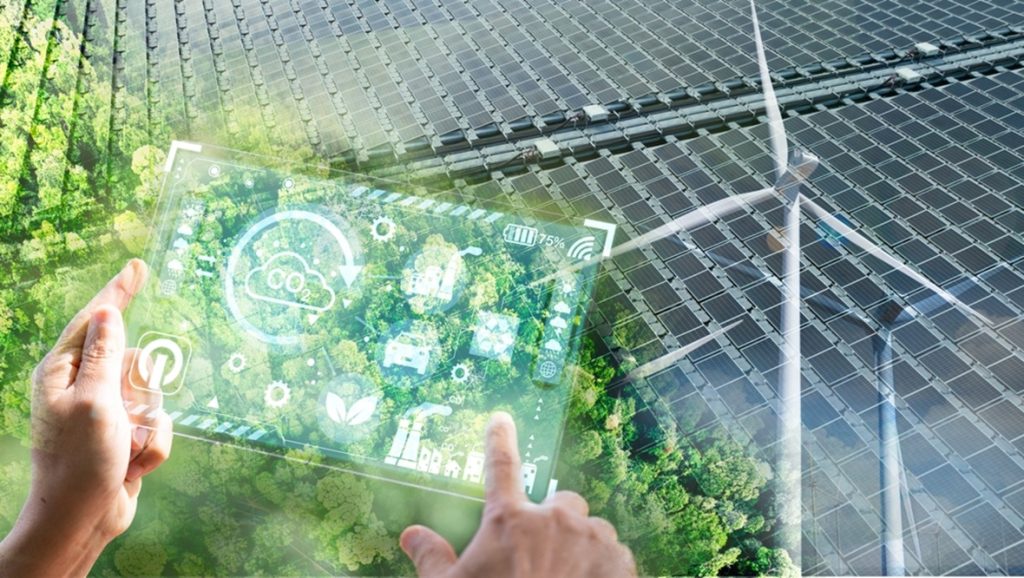
The rise of connected homes has changed what homeowners expect from everyday systems, including energy. Solar now connects with storage, monitoring, and smart controls in ways that support how people actually live in their homes. Freedom Forever Solar Reviews reflect this shift as residential solar systems integrate with storage and smart controls designed to support adaptability over time.
Preparing for the next generation of clean energy technology is about readiness rather than prediction. Homes designed with flexibility in mind stay useful longer, with systems that can support new capabilities as they emerge. This perspective has reshaped how homeowners approach solar adoption, with long-term adaptability taking a more central role alongside immediate benefits.
Built to Last, Designed to Adapt
Home energy hardware is designed to stay in place for a long time. Panels, wiring, and core electrical equipment are not swapped out every few years. The tools that manage that hardware, including monitoring and smart controls, change much faster. That mismatch is why future readiness matters.
Future-ready design starts with flexibility. Instead of locking everything into a rigid setup, homeowners choose systems that can be updated and expanded as needs change. Solar becomes a foundation that can work with new controls, added storage, or new household loads over time, which helps the home stay compatible as technology continues to evolve.
Adaptability as a Core Design Principle
Adaptability sits at the center of future-ready energy planning. Homes benefit from systems that adjust as needs and technologies change. Cloud-based platforms enable updates, integrations, and performance improvements without requiring major infrastructure changes. This flexibility allows homeowners to adopt new tools and strategies as energy solutions continue to develop.
Solar paired with modular storage and smart controls supports this flexibility. Components operate together while remaining independent. New elements integrate smoothly without disrupting existing systems. This design allows households to respond to lifestyle changes, evolving energy use, and new technology adoption. Homes grow alongside their energy systems rather than outpacing them.
Smart Controls Keep the System Flexible
Smart controls help homeowners manage solar and storage as one coordinated setup instead of a collection of separate devices. They bring the main settings into one place and keep priorities consistent, such as when to charge the battery, how to reserve backup power, and how to time flexible loads.
As homeowners add new devices or increase demand, those controls help the home absorb the change without a full reset. New equipment can be brought into the same monitoring and decision logic, so the system keeps behaving predictably as it grows. That consistency is what makes upgrades feel manageable, because homeowners can expand over time without having to rebuild how the home runs day to day.
Storage That Supports Growth
Adding a battery gives homeowners more options for how and when the home uses solar power. Instead of relying only on daytime production, households can save power for later, cover higher use periods, and keep priorities steady when routines change.
As homes add new loads, such as an electric vehicle or new appliances, storage helps the system keep up without feeling tight. Homeowners can also add capacity over time if needs grow, rather than trying to size everything perfectly from the start. That makes planning feel more realistic because the system can grow in steps as the household changes.
Visibility Supports Informed Planning
Clear visibility into system behavior helps homeowners plan with more confidence over time. Monitoring tools make it easier to spot seasonal patterns, see how usage changes as routines shift, and understand what the system is doing day to day, without relying on guesswork.
Freedom Forever reviews often reflect a positive experience with communication and access to system information, especially when homeowners want clear performance updates and simple ways to check how the system is doing. That visibility makes planning feel more grounded. When homeowners can track patterns and confirm performance over time, decisions about upgrades or added capacity feel clearer and less uncertain.
Building on Existing Foundations
Most emerging residential energy technologies build on existing systems rather than replacing them entirely. Advanced controls, enhanced storage, and grid-interactive features rely on established infrastructure.
Homes with flexible solar systems integrate these advancements more easily. Existing capacity supports new functionality rather than limiting it. This layered approach allows households to benefit from progress without starting over.
Resilience Through Adaptation
Future readiness also supports resilience. Homes designed for adaptability respond effectively to change. Flexible systems can adjust to disruptions, peak demand, or evolving energy needs without sacrificing performance. This resilience supports consistent power availability while advancing long-term sustainability goals.
Climate patterns, household needs, and energy conditions continue to evolve. Adaptable systems adjust through coordination rather than replacement. Resilience emerges through flexibility, allowing homes to remain capable across a wide range of conditions.
Balancing Commitment with Flexibility
Homeowners often balance commitment to clean energy with the desire to remain flexible. Future-ready planning brings these priorities together.
Solar adoption reflects a commitment to cleaner energy. Modular design preserves adaptability. Homes act with intention while remaining open to change. This balance supports confidence and long-term satisfaction.
A Shift in Residential Energy Thinking
Preparing homes for the next generation of clean energy technology reflects a shift in mindset. Energy planning moves from fixed outcomes to ongoing readiness.
Homes no longer aim to meet a single set of conditions. They prepare for change itself. This approach supports thoughtful adoption rather than reactive upgrades, allowing households to move forward with confidence.
Homes Designed to Keep Pace with Progress
As clean energy technology continues to advance, homes must keep pace. Solar systems designed for adaptability provide a strong foundation for that progress.
Future-ready homes integrate generation, storage, and controls in ways that support growth without disruption. Preparing for the next generation of clean energy means planning for evolution, not prediction. Through flexible design and informed choices, homes remain ready to support clean energy as it continues to develop, step by step.
