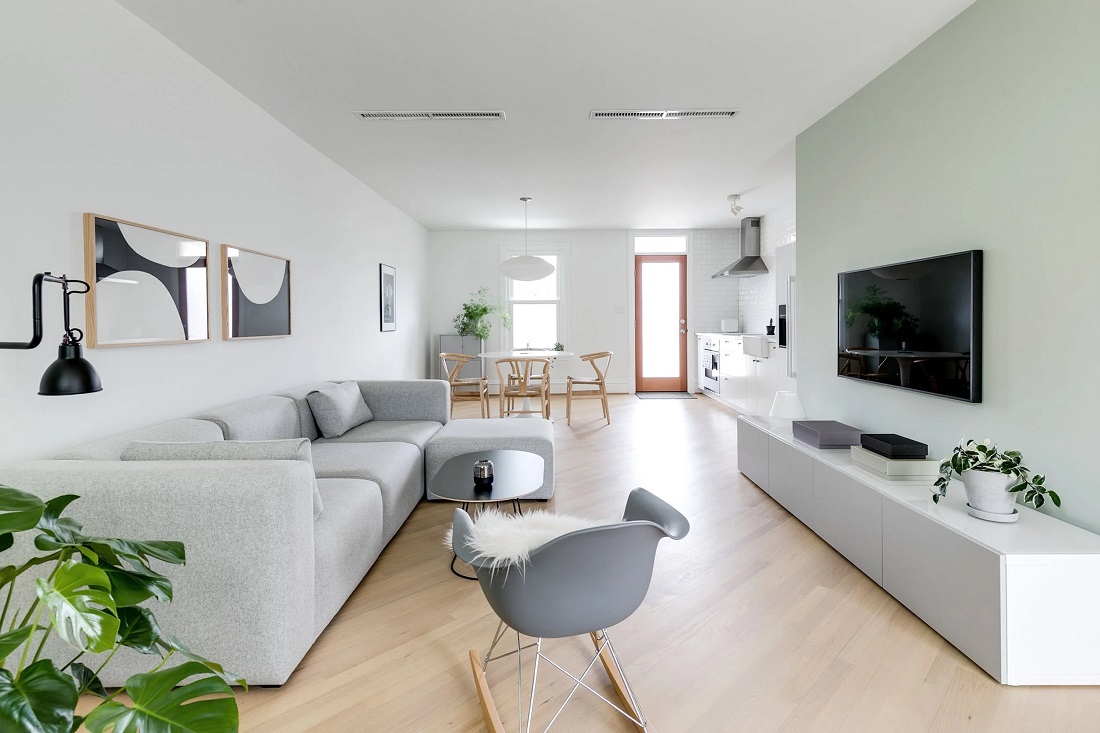
A home is far more than walls, furniture, and a roof overhead. It is a space where comfort meets identity, where routines are built, and where life’s most meaningful moments quietly unfold. Whether it’s a small apartment, a shared house, or a large family residence, home plays a central role in shaping emotional well-being and daily life.
The Meaning of Home
Home represents safety, belonging, and stability. It is the environment where people feel most at ease and most themselves. While houses are physical structures, a home is defined by experiences, relationships, and personal expression.
Key emotional elements of a home include:
-
A sense of security and privacy
-
Emotional comfort and familiarity
-
Personal memories and shared traditions
-
Freedom to express individuality
Different Types of Homes
Homes come in many forms, shaped by culture, lifestyle, and location. Each type serves the same purpose but offers a unique way of living.
Common Types of Homes
-
Apartments – Ideal for urban living and smaller households
-
Detached houses – Offer privacy and outdoor space
-
Townhouses – Balance community living with personal ownership
-
Mobile or modular homes – Flexible and often cost-effective
-
Shared homes – Designed for communal or multigenerational living
Creating Comfort at Home
Comfort is one of the most important qualities of a well-designed home. It does not depend on size or cost but on thoughtful choices that suit the people living there.
Ways to Enhance Home Comfort
-
Natural lighting to improve mood and energy
-
Comfortable furniture that supports daily activities
-
Balanced temperature and ventilation
-
Calm colors and textures that promote relaxation
-
Quiet zones for rest and focus
Home as a Reflection of Personality
Every home tells a story. From décor choices to layout preferences, the way a home looks often reflects the personality and values of its occupants.
Personal touches that make a home unique:
-
Family photos or artwork
-
Favorite colors and materials
-
Meaningful objects or souvenirs
-
Customized spaces for hobbies or work
The Role of Home in Well-Being
A well-maintained home supports both mental and physical health. Clean, organized spaces reduce stress, while functional layouts improve daily efficiency.
Benefits of a healthy home environment include:
-
Improved sleep quality
-
Reduced anxiety and mental fatigue
-
Better productivity for work or study
-
Stronger family and social connections
Modern Trends in Home Living
As lifestyles evolve, so do homes. Modern living emphasizes flexibility, sustainability, and technology.
Popular home trends today:
-
Smart home features for convenience and efficiency
-
Eco-friendly materials and energy-saving designs
-
Multi-purpose rooms for work and leisure
-
Open layouts that encourage connection
-
Minimalist design focused on simplicity
Why Home Always Matters
No matter how often people travel or change locations, the idea of home remains constant. It is the place people return to for rest, comfort, and renewal. A thoughtfully cared-for home becomes a foundation for a balanced and fulfilling life.
Frequently Asked Questions (FAQs)
What makes a house feel like a home?
A house becomes a home through personal experiences, emotional connections, and a sense of comfort and belonging.
Can a small space still feel like a comfortable home?
Yes, thoughtful design, organization, and personal touches can make even small spaces feel warm and inviting.
How does home environment affect mental health?
A clean, organized, and comfortable home can reduce stress, improve mood, and support overall mental well-being.
What are the most important features of a functional home?
Good lighting, proper ventilation, comfortable furniture, and efficient use of space are key features of a functional home.
How can I make my home more relaxing?
Using calming colors, reducing clutter, adding natural light, and creating quiet zones can make a home more relaxing.
Why is personalization important in a home?
Personalization helps create emotional attachment and ensures the space reflects the lifestyle and values of its occupants.
How do modern homes support work-from-home lifestyles?
Modern homes often include flexible layouts, dedicated workspaces, sound insulation, and technology-friendly designs to support remote work.
