A sample box shows up with a dozen lemons inside, each one marked with your logo burned straight into the peel. No sticker, no adhesive, no plastic sleeve. The co-packer’s sales rep calls it ‘natural branding’ and sends over a one-page quote. You’re ready to sign.
Slow down. The pretty lemon is the easy part. The machine that made it, the room it sat in, and the paperwork the co-packer owes you are where small food brands get burned. Work through the questions below before you countersign anything.
What Exactly Is Burning Your Logo Into the Fruit?
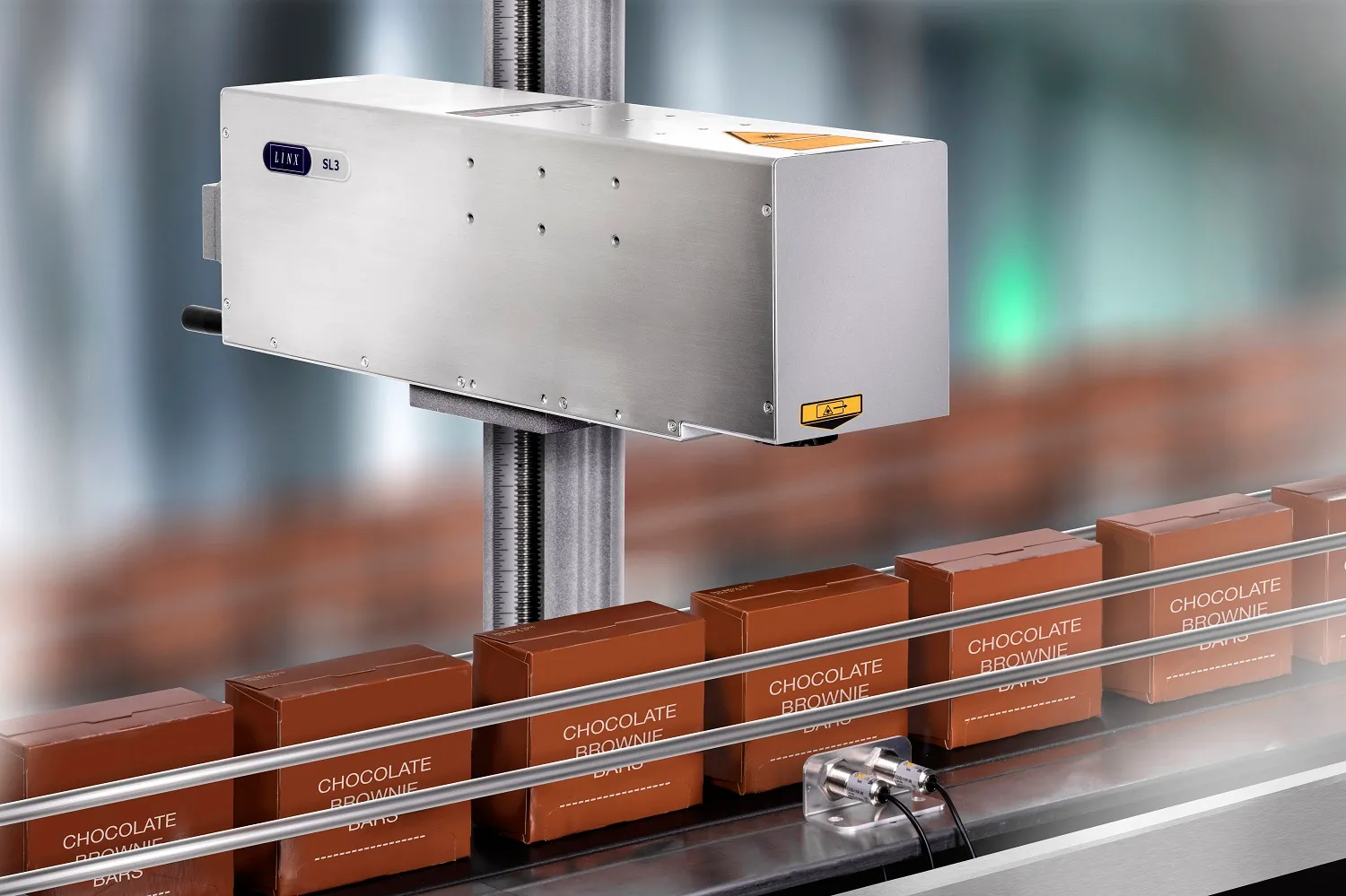
The marking method matters because it changes what the co-packer is legally running on your behalf. For produce, the common approach is a low-energy CO2 beam that lifts a thin layer of pigment off the outer skin.
Meat is a different story. A steak might be marked by a laser etching a logo into a fat cap, or by a non-laser method entirely
Which method is chosen determines what regulatory approvals apply and which federal agency has jurisdiction. The FDA cleared CO2 laser etching on fresh, intact citrus in a 2012 final rule, but that approval does not extend to every fruit, vegetable, or cut of meat your co-packer might offer to mark.
Confirm the operator running the beam has been through formal laser safety training, because the units used for this work are typically Class 4 systems that can cause serious eye and skin injuries.
Is the Co-Packer’s Marking Room a Controlled Laser Area?
Industrial marking lasers are not countertop appliances. Even scattered light bouncing off the workpiece can hurt an operator who glances over without eyewear.
Walk the room, or ask for photos and a short written description of controls. You want to see interlocked enclosures, posted warning signage, wavelength-matched eyewear, and an operator who can name the designated laser safety officer without hesitating. If the co-packer cannot name that person, that tells you something about the rest of the operation.
Who Owns the Compliance Paperwork When Something Goes Wrong?
A co-packing contract that only covers price per case and delivery dates will fail you during a recall. The agreement needs to say, in writing, who holds what responsibility.
- Formula and artwork ownership. Recipes, specs, and label art remain yours, with confidentiality language that survives the end of the relationship.
- Audit and inspection rights. You should be able to visit, pull records, and request third-party certification reports on reasonable notice.
- Nonconforming product handling. Spell out what happens when a batch misses spec, who pays for rework, and how recall costs are split.
- Labeling accuracy. Undeclared allergens are a leading recall trigger, and the contract should make clear who verifies that every finished unit matches its declared ingredients.
This guide lays out standard provisions worth asking your attorney to include, from scope of work to GFSI-recognized certifications and fill-weight performance metrics.
Laser marking can offer food brands a practical alternative to traditional labels, but the finished product is only one part of the decision. Before signing with a co-packer, make sure the equipment, safety procedures, regulatory requirements, and contractual responsibilities are clearly understood and documented.
