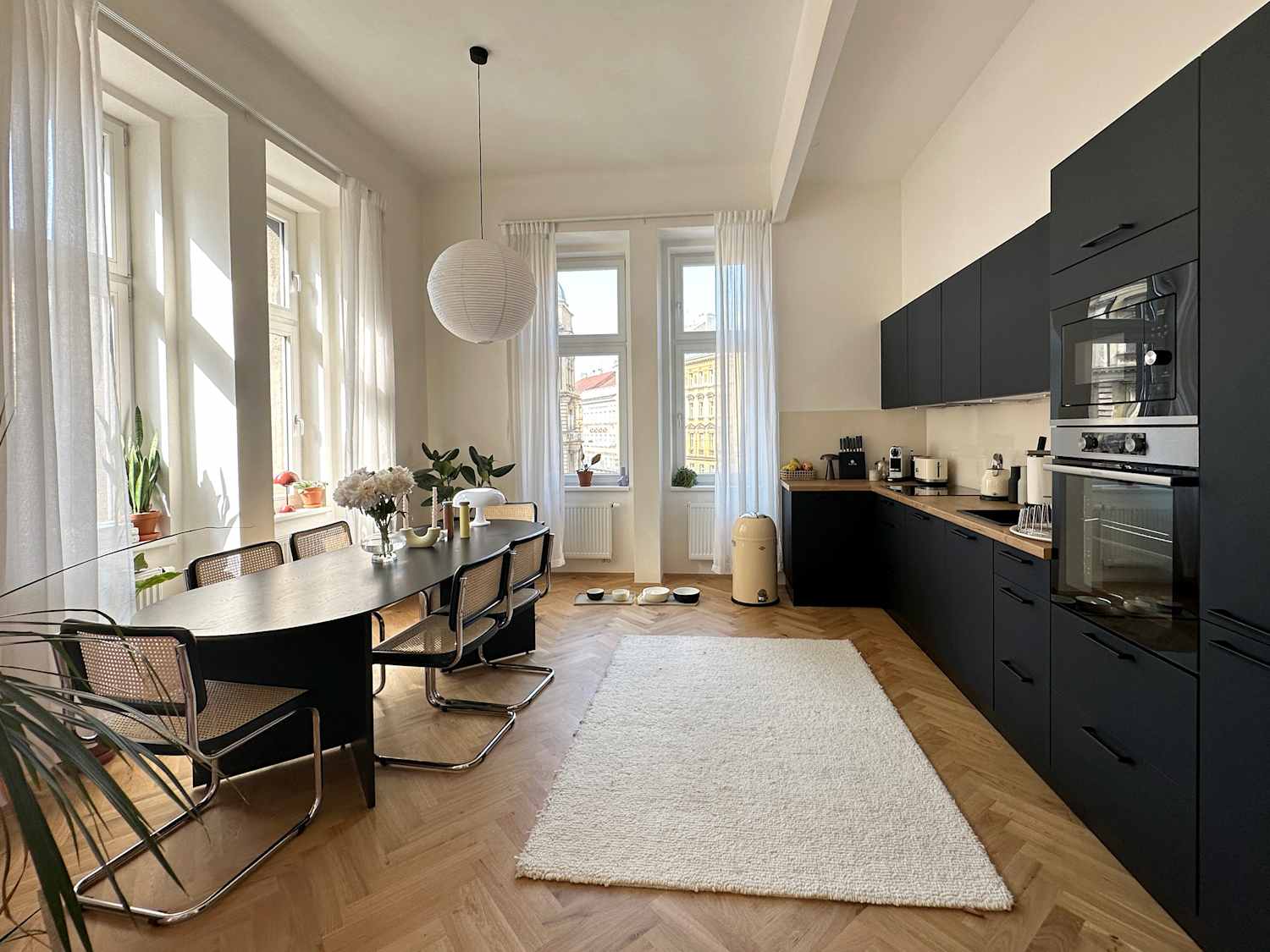
Apartments have become a defining feature of contemporary cities, offering flexible housing solutions for individuals, couples, and families alike. From compact studio units to spacious multi-bedroom layouts, apartments cater to a wide range of lifestyles and budgets while supporting the growing demand for urban living.
What Is an Apartment?
An apartment is a self-contained residential unit within a larger building or complex. Unlike single-family homes, apartments typically share walls, floors, and common areas with neighboring units. They are usually rented, though ownership options exist in some markets.
Types of Apartments
Different apartment styles are designed to meet varying needs. Understanding these options helps renters and buyers make informed decisions.
Common Apartment Types
-
Studio Apartments
A single open space combining living, sleeping, and kitchen areas, ideal for minimalists. -
One-Bedroom Apartments
Separate bedroom with a distinct living area, offering more privacy. -
Two- and Three-Bedroom Apartments
Suitable for families or shared living arrangements. -
Loft Apartments
Open-plan units with high ceilings and an industrial aesthetic. -
Duplex Apartments
Spread across two levels, often resembling a small house within a building.
Benefits of Apartment Living
Apartment living offers several advantages, particularly in urban environments.
Key Advantages
-
Affordability compared to standalone houses
-
Low maintenance, as repairs are often managed by property management
-
Access to amenities such as gyms, pools, and community spaces
-
Prime locations near workplaces, schools, and public transport
-
Enhanced security with controlled access and surveillance
Potential Drawbacks to Consider
While apartments are convenient, they may not suit everyone.
-
Limited living space compared to houses
-
Less privacy due to shared walls
-
Noise from neighbors or common areas
-
Restrictions on customization or renovations
Choosing the Right Apartment
Selecting the right apartment involves balancing comfort, cost, and convenience.
Factors to Evaluate
-
Location and proximity to daily necessities
-
Budget, including rent, utilities, and maintenance fees
-
Floor plan and usable space
-
Natural light and ventilation
-
Building amenities and management quality
Apartments and Lifestyle Trends
Modern apartments increasingly reflect changing lifestyles. Many new developments focus on smart home technology, energy efficiency, and community-oriented design. Features like co-working lounges, rooftop gardens, and pet-friendly policies are becoming standard in urban apartment complexes.
Renting vs. Buying an Apartment
Both options have distinct implications.
-
Renting offers flexibility and lower upfront costs, making it ideal for short- to medium-term living.
-
Buying can be a long-term investment, providing stability and potential appreciation, though it comes with higher initial expenses.
Conclusion
Apartments remain a practical and popular housing choice in today’s fast-paced world. By understanding apartment types, benefits, and key selection criteria, individuals can find a living space that aligns with their needs and lifestyle goals.
Frequently Asked Questions (FAQs)
1. Are apartments suitable for families with children?
Yes, many apartments are designed for families and offer multiple bedrooms, play areas, and nearby schools.
2. What is the average size of an apartment?
Apartment sizes vary widely, typically ranging from 300 square feet for studios to over 1,500 square feet for larger units.
3. Do apartments usually allow pets?
Pet policies differ by building. Some are pet-friendly, while others may restrict certain animals or sizes.
4. What costs should I expect beyond rent?
Additional expenses may include utilities, parking fees, maintenance charges, and amenity access fees.
5. How can I reduce noise in an apartment?
Using rugs, curtains, and soundproofing panels can help minimize noise from neighboring units.
6. Is apartment living environmentally friendly?
Apartments often have a smaller carbon footprint due to shared resources and reduced energy consumption.
7. What should I check before signing an apartment lease?
Review lease terms carefully, including duration, renewal clauses, maintenance responsibilities, and exit conditions.
