Landlords ask this question a lot, usually right after they’ve bought a property and started thinking seriously about who to actually let it to. On paper, student rooms can look tempting because the weekly numbers seem higher than a standard family let. In practice, it’s a bit more complicated than that once you factor in turnover, wear and tear, and how much time managing a house full of tenants actually takes. The best lettings agents in Ilford covering residential lettings tend to steer landlords through this exact comparison before they commit to either route.
The Short Answer
Professional rentals generally come out ahead in Ilford, mostly because of stability rather than raw weekly income. Student lets can occasionally match or edge past single-let income on paper, but the extra costs and effort involved often eat into that advantage more than people expect going in.
Professional Rentals: Steady And Predictable
Working tenants tend to sign longer agreements, often twelve months or a rolling contract, which cuts down significantly on empty periods between tenancies. That stability matters more than it sounds. Every week a property sits empty is a week of lost income, and it adds up faster than most first-time landlords expect.
Rates for a standard two-bedroom flat in central Ilford currently sit around £1,750 a month, which works out to roughly £410 a week. A decent chunk of that demand comes from commuters using the Elizabeth Line, since it’s cut journey times into central London noticeably and made Ilford a much more attractive base for people working in town but wanting more affordable rent than they’d find closer in.
There’s also the day-to-day condition of the property to think about. Working professionals generally look after a flat better than a house full of short-term tenants would, simply because they’re living there long-term and treating it as home rather than a temporary base. That usually means fewer repair callouts and less redecorating between tenancies, which quietly saves money that doesn’t always show up in the headline rent figure.
Student Rentals: Higher Numbers, More Moving Parts
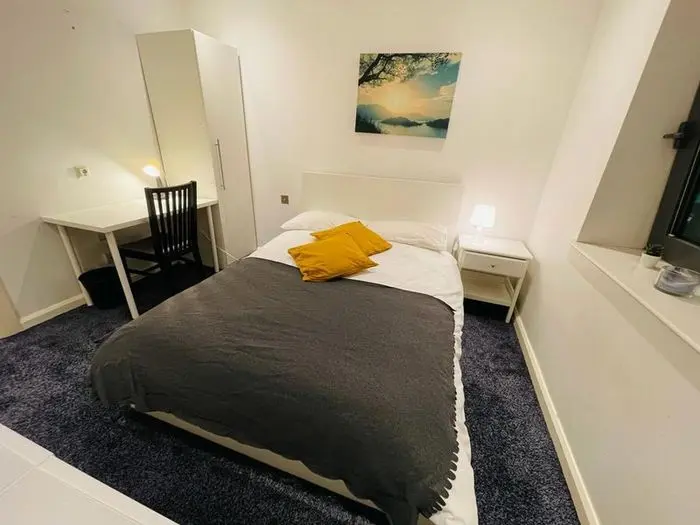
Renting out individual rooms in a House in Multiple Occupation setup can look genuinely appealing at first glance. Weekly rates per room typically run from £150 up to around £280, and when you add all the rooms together, the total can sometimes match or even edge past what you’d get from renting the whole property to one professional tenant or family.
The catch is everything that sits underneath that number. Turnover is high, often annual, sometimes more frequent than that. Every changeover brings cleaning, minor repairs, and the admin work of finding new tenants, and that cycle repeats far more often than it would with a single professional let.
Wear and tear tend to run higher too. More people living in the same space, sharing kitchens and bathrooms, naturally means more general use and more things needing attention over time. We see this quite often with HMO landlords — the gross income looks strong, but by the time you’ve accounted for management time and higher maintenance costs, the actual profit margin narrows considerably.
Then there’s the summer void period. Students typically don’t need accommodation over the summer months, which can mean weeks of empty rooms unless you manage the calendar carefully or find short-term tenants to cover the gap. That’s lost income that doesn’t show up when people are comparing weekly rates on paper.
Management Overhead Makes A Real Difference
This is the part that’s easy to underestimate. Managing a single professional tenancy is relatively straightforward. Managing an HMO full of students is a genuinely different job, with more communication, more disputes to sort out between housemates, and more compliance requirements around licensing and safety standards for shared housing. Landlords who go in without accounting for that time cost often find the extra income from a student let doesn’t feel worth it once everything’s added up.
So Which One Actually Pays Better?
For most landlords in Ilford, professional rentals offer the better overall return once you weigh income against effort and running costs. The rent might look lower on a headline weekly basis compared with a fully let HMO, but the stability, lower turnover, and reduced maintenance usually make up the difference and then some.
Student rentals can still work well, particularly for landlords with the time and systems in place to manage turnover efficiently and fill summer gaps. But it’s a more hands-on business model, and it suits a specific type of landlord rather than being the obvious better choice across the board.
