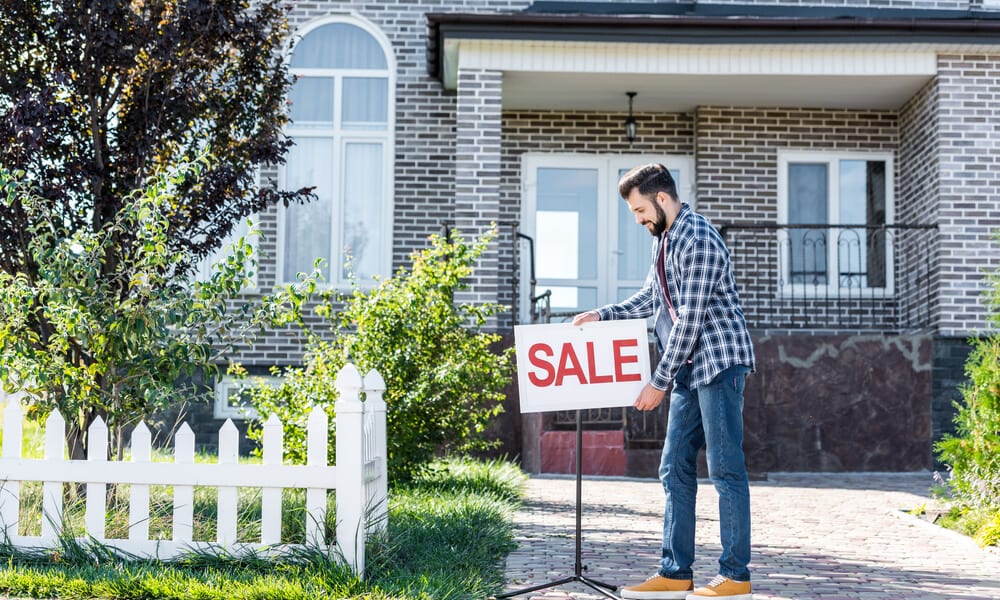
Selling a house is one of the most significant financial decisions many people make. Whether you are upgrading, downsizing, or relocating, understanding the house selling process can help you save time, reduce stress, and maximize your final sale price. This guide walks you through each stage with clarity and practical insight.
Understanding the House Selling Process
Before listing your home, it’s essential to understand how selling works from start to finish. The process typically involves preparation, pricing, marketing, negotiations, and closing. Each step requires informed decisions to avoid costly mistakes.
Key stages include:
-
Preparing the property for sale
-
Setting a competitive and realistic price
-
Marketing the home effectively
-
Reviewing and negotiating offers
-
Completing inspections, appraisals, and closing paperwork
Preparing Your Home for Sale
First impressions matter more than many sellers realize. Buyers often decide within minutes whether a property feels right.
Declutter and Depersonalize
Removing excess items helps buyers imagine themselves living in the space. Clean surfaces, organized storage, and neutral décor make rooms feel larger and brighter.
Make Necessary Repairs
Address visible issues such as leaking faucets, damaged paint, or broken fixtures. Minor repairs can prevent buyers from negotiating aggressively later.
Consider Home Staging
Professional or DIY staging highlights your home’s best features. Even simple changes like better lighting and rearranged furniture can significantly improve appeal.
Pricing Your House Correctly
Pricing is one of the most critical factors in selling success. Overpricing can cause your home to sit on the market, while underpricing may leave money on the table.
Smart pricing strategies include:
-
Reviewing recent sales of similar homes in your area
-
Considering current market demand
-
Accounting for your home’s condition and upgrades
A well-priced home often attracts multiple buyers, creating stronger negotiation leverage.
Marketing Your Property Effectively
Strong marketing ensures your home reaches serious buyers quickly.
Professional Photography
High-quality photos are essential. Most buyers start their search online, and clear, well-lit images increase interest and showings.
Online Listings and Exposure
Your listing should include a compelling description, accurate details, and standout features such as location, layout, and upgrades.
Showings and Open Houses
Flexible showing times and a clean, welcoming environment help buyers form a positive emotional connection with the home.
Negotiating Offers with Confidence
Receiving an offer is exciting, but evaluating it carefully is crucial.
When reviewing offers, look beyond the price. Consider:
-
Buyer financing strength
-
Contingencies such as inspections or financing
-
Proposed closing timeline
Sometimes a slightly lower offer with fewer conditions can be the stronger choice.
Closing the Sale Smoothly
Once an offer is accepted, the closing phase begins. This stage involves inspections, appraisals, final negotiations, and legal documentation.
To avoid delays:
-
Respond promptly to buyer requests
-
Keep required documents organized
-
Stay flexible with reasonable repair negotiations
A smooth closing ensures both parties walk away satisfied.
Common Mistakes to Avoid When Selling a House
Many sellers unintentionally reduce their home’s value or delay the sale by making avoidable errors.
Watch out for:
-
Ignoring necessary repairs
-
Overpricing based on emotional value
-
Limiting showings due to inconvenience
-
Failing to prepare for negotiations
Avoiding these pitfalls can save time and protect your profit.
FAQ: House Selling Questions Answered
How long does it usually take to sell a house?
The timeline varies by location and market conditions, but most homes sell within a few weeks to a few months when priced correctly.
Should I sell my house as-is or make repairs first?
Minor repairs and cosmetic improvements often lead to higher offers, while selling as-is may appeal to investors but reduce overall price.
What documents do I need to sell my house?
Common documents include the property deed, disclosure forms, mortgage payoff details, and inspection reports if available.
Can I sell my house while still living in it?
Yes, many sellers do. Maintaining cleanliness and flexibility for showings is key to success.
How do I know if an offer is fair?
Compare the offer to recent local sales, market demand, and the strength of the buyer’s financing and conditions.
What costs should I expect when selling a house?
Typical costs include agent commissions, closing fees, repairs, and potential concessions to the buyer.
Is it better to sell during a specific season?
Spring and early summer often attract more buyers, but motivated buyers exist year-round depending on market conditions.
