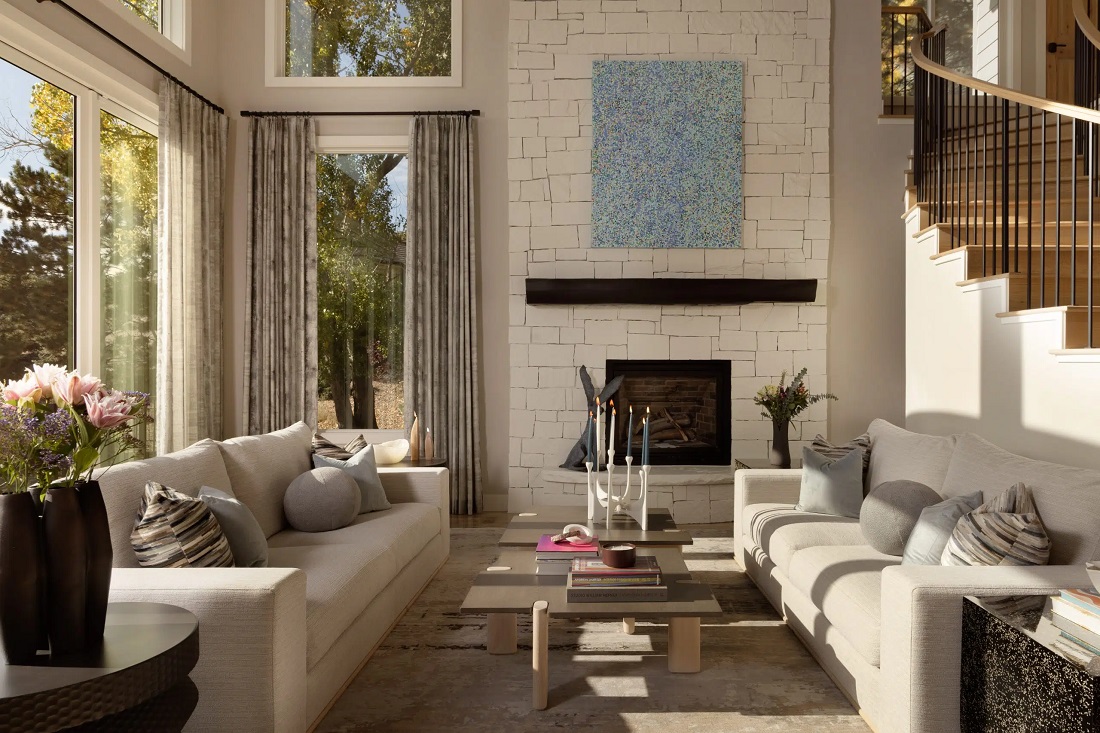
Home design is more than arranging furniture or choosing paint colors. It is about shaping spaces that support daily life, express personality, and evolve with changing needs. A thoughtfully designed home balances aesthetic appeal, functionality, and emotional comfort, turning everyday routines into enjoyable experiences.
Whether designing a new home or refreshing an existing one, understanding core principles helps create interiors that feel intentional rather than accidental.
Understanding the Foundations of Home Design
Successful home design begins with clarity. Before selecting décor or materials, it is important to define how each space will be used and who will use it.
Key foundations include:
-
Purpose-driven layouts that match daily activities
-
Efficient space planning to avoid clutter
-
Visual harmony across rooms
-
Comfort and usability as non-negotiable priorities
Design choices should always serve the lifestyle of the people living in the home, not just trends.
Choosing the Right Layout for Your Home
The layout determines how people move, interact, and feel within a space. An effective layout improves flow while maximizing usable areas.
Popular Layout Approaches
-
Open-plan layouts for brighter, more social spaces
-
Zoned layouts to separate work, rest, and leisure areas
-
Flexible layouts using movable furniture or partitions
When planning layouts, consider natural light, door placements, and how rooms connect to one another.
The Role of Color in Home Design
Color influences mood, perception of space, and overall atmosphere. The right palette can make small rooms feel larger and dark spaces feel inviting.
Practical Color Guidelines
-
Neutral tones create calm and timeless interiors
-
Warm colors add energy and coziness
-
Cool shades promote relaxation and focus
-
Accent colors introduce personality without overwhelming the space
Balancing bold and subtle shades ensures visual interest while maintaining harmony.
Furniture Selection and Placement
Furniture should support both comfort and movement. Oversized or poorly placed furniture can disrupt flow and reduce functionality.
When selecting furniture:
-
Prioritize scale and proportion
-
Choose multi-functional pieces for smaller homes
-
Leave adequate walking space between items
-
Align furniture placement with natural focal points
Well-placed furniture enhances usability while reinforcing the room’s purpose.
Lighting as a Design Element
Lighting is often underestimated, yet it shapes how spaces are experienced throughout the day.
Layers of Lighting
-
Ambient lighting for overall illumination
-
Task lighting for specific activities like reading or cooking
-
Accent lighting to highlight architectural or decorative features
A layered lighting approach adds depth and flexibility to home interiors.
Incorporating Texture and Materials
Texture adds richness and warmth, preventing interiors from feeling flat or sterile. Mixing materials creates contrast and visual balance.
Common material combinations include:
-
Wood with metal for a modern feel
-
Soft textiles paired with stone or concrete
-
Natural fibers combined with polished finishes
The goal is to engage both sight and touch, creating a more immersive environment.
Storage Solutions That Enhance Design
Smart storage keeps homes organized without sacrificing style. Built-in and hidden storage options maintain clean lines and reduce visual clutter.
Effective storage ideas:
-
Wall-mounted shelving
-
Under-bed or under-stair storage
-
Multi-purpose furniture with concealed compartments
Storage should blend seamlessly into the design rather than dominate it.
Personalizing Your Home Design
A well-designed home reflects its occupants. Personal touches transform a space from generic to meaningful.
Ways to personalize interiors:
-
Display artwork or photographs
-
Incorporate heirloom pieces
-
Use décor that tells a story
-
Blend different styles thoughtfully
Personalization ensures the home feels authentic and lived-in rather than staged.
Sustainable and Future-Ready Home Design
Modern home design increasingly focuses on sustainability. Thoughtful choices reduce environmental impact while improving long-term comfort.
Sustainable design considerations:
-
Energy-efficient lighting and appliances
-
Durable, eco-friendly materials
-
Designs that adapt to future needs
-
Maximizing natural light and ventilation
Sustainability is not a limitation; it enhances both functionality and long-term value.
Frequently Asked Questions (FAQ)
What is the most important factor in home design?
The most important factor is functionality, ensuring the space supports daily activities comfortably while reflecting personal style.
How can small homes feel more spacious through design?
Using light colors, mirrors, multi-functional furniture, and open layouts can make small homes feel larger and more open.
Is it necessary to follow design trends?
No. Trends can inspire ideas, but timeless design choices that suit your lifestyle are more important for long-term satisfaction.
How do I balance aesthetics and practicality?
Focus on designs that look good while serving a clear purpose, such as stylish storage or durable materials with visual appeal.
Can lighting really change how a room feels?
Yes. Proper lighting can make a room feel warmer, larger, calmer, or more energetic depending on its placement and intensity.
How often should home design be updated?
There is no fixed timeline. Updates are best made when lifestyle needs change or when spaces no longer feel functional.
What is the best way to start redesigning a home?
Begin by assessing how each space is used, identifying pain points, and setting clear goals before making design decisions.
